Approachability
Speak with a clinical advisor who starts from care setting, not a generic SKU pitch.

Twelve years inside Tier-1 OEMs showed how mid-sized community hospitals, dental groups, and home-health programs get left with catalog language instead of care-setting guidance. Steris was founded to reverse that pattern with approachable planning for home care, dental, and remote monitoring fleets.
The first ED I supported had a 1990s patient lift that failed during a discharge transfer. Later, as a field engineer covering dental autoclaves and bedside SpO2 fleets, I watched the same gap repeat: mid-sized facilities received IFU PDFs, but not a calm map of HCPCS paths, dirty-to-clean zoning, or HL7 FHIR observation handoffs.
In 2014 we started Steris with one rule—every device conversation must be serviceable, documentation-ready, and sized for hospitals, ASCs, dental practices, and home programs that are not on the academic-medical-center cover of medical journals.
"Quality care doesn't end at the academic medical center."— Founder, Steris
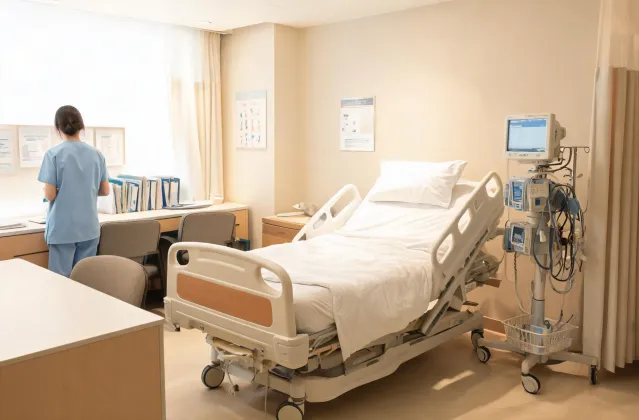
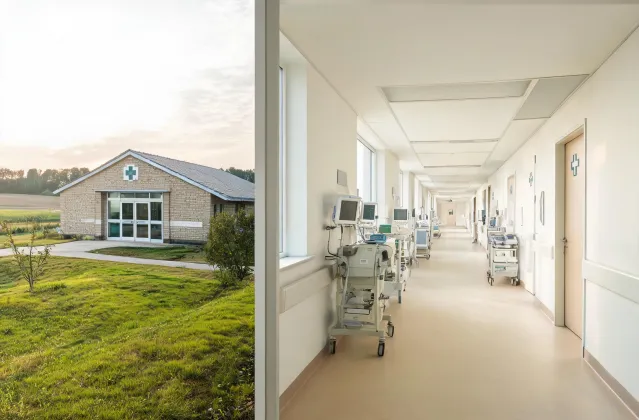
From 25-bed Critical Access Hospitals to 300-bed regional systems, Steris supports discharge-to-home bundles, dental SPD notes, and bedside monitoring refresh planning.
Loaner lifts, monitoring carts, and autoclave cycle documentation packs help rural teams keep care moving during PM downtime.
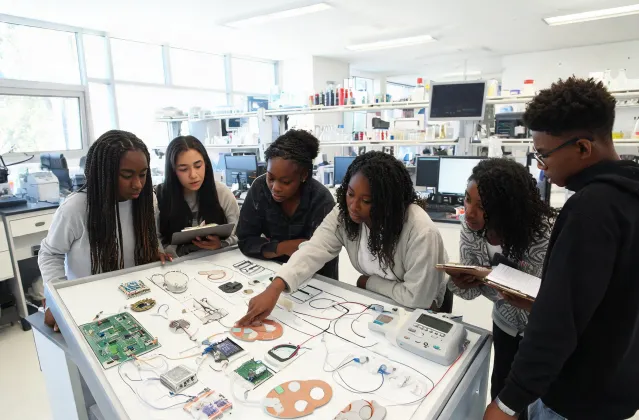
Steris funds twelve biomed engineering students each year across HBCU programs, connecting classroom labs to home-care, dental, and monitoring service pathways.
Share your care setting, installed base, and the documentation you need first—IFU excerpts, UDI fields, or service plan options.