Hospital Service Plan
Multi-modality coverage for discharge equipment, bedside monitoring, and dental SPD support with 24/7 hotline and on-site FSE targets for urban facilities.
Hospitals, ambulatory centers, dental groups, home-health agencies, and skilled nursing teams do not operate equipment the same way. Steris uses a guided intake to understand installed base, staff coverage, clinical hours, cybersecurity constraints, and documentation needs before recommending a plan.
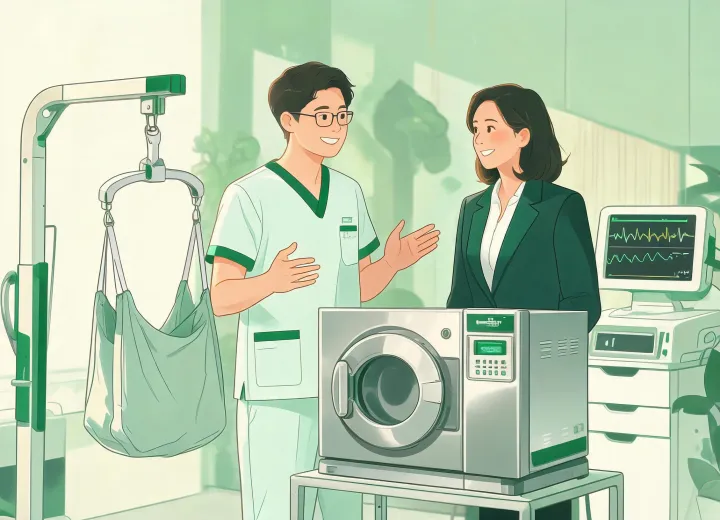
Multi-modality coverage for discharge equipment, bedside monitoring, and dental SPD support with 24/7 hotline and on-site FSE targets for urban facilities.
Pre-shift checks, sterile reprocessing audit support, weekend response windows, and monitoring readiness before first case.
Autoclave cycle documentation, chairside equipment PM, imaging uptime notes, and infection-control training for assistants and sterilization technicians.
Remote troubleshooting hotline, caregiver teach-back packs, replacement consumable cadence, and cellular fallback checks for connected devices.
Bulk consumable replenishment, infection-control bundles, and shift-ready documentation that survives staffing turnover.
Alarm governance workshops, FHIR observation planning, HIPAA BAA routing, and coordinator playbooks for chronic care cohorts.
We augment. Steris FSEs co-own Tier 2-3 escalations; your in-house team retains Tier 1 ownership and local procedures.
UDI-driven recall sweeps help compare affected device and accessory records within a documented response window after Class I/II notices.
Yes. Work orders, PM evidence, and escalation notes can be formatted for REST or HL7 FHIR handoffs into your CMMS.
A BAA is executed before remote sessions when PHI may be in view. PHI is not retained in Steris service notes.
Share care setting, device families, installed base size, and urgent constraints. A Steris advisor will recommend practical next steps.